Sign Up
School Account Sign Up

Lesson ID: 10413
Explore what makes every place on the earth one of a kind—through its land, people, and personality!




What Makes a Place, a Place?
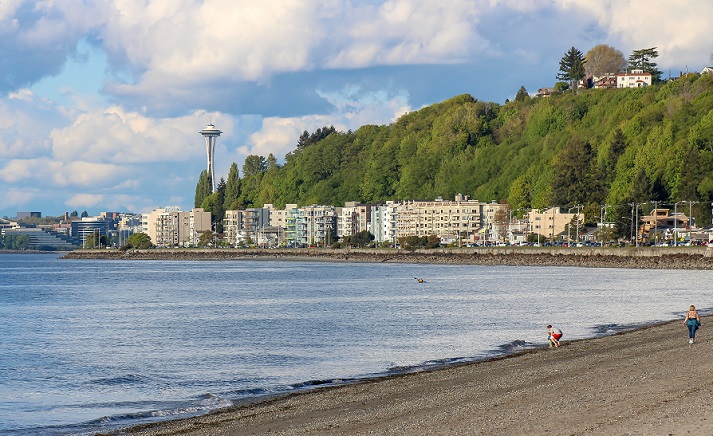
Imagine standing in the middle of Seattle. You look around: there are giant pine trees, snow-capped mountains, shimmering lakes, and shiny skyscrapers.
You smell salty ocean air mixed with roasted coffee. You hear ferries honking and tech workers zipping by on scooters.
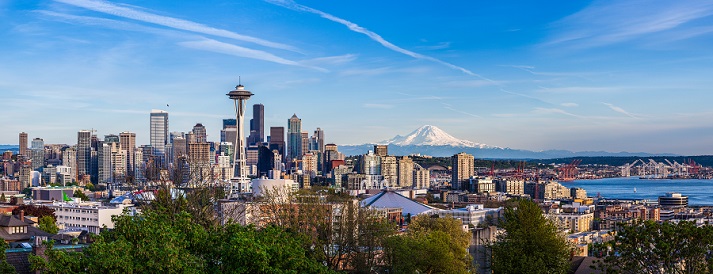
Seattle isn’t just a dot on a map—it feels different from anywhere else in the world.
That’s the magic of place in geography. It’s about more than location. It’s about what makes one spot on the earth completely unique.
Find out.
Exploring the Theme of Place
What is place in geography?
In geography, place describes the physical and human features that make a location special. It answers questions like these.
What does it look like?
What’s it like to live there?
What makes it different from somewhere else?
No two places are exactly alike. Even towns just miles apart can have completely different vibes based on their land, weather, history, and culture.
Natural Features: The Power of the Land
Natural, or physical, features are things made by nature—not by people. They shape how a place looks, feels, and even smells.
Here are some examples.
Mountains (like the Rocky Mountains)
Rivers and lakes (like the Mississippi River or the Great Lakes)
Forests (like the Pacific Northwest rainforests)
Climate and weather (like the dry deserts of Arizona or the rainy coasts of Oregon)
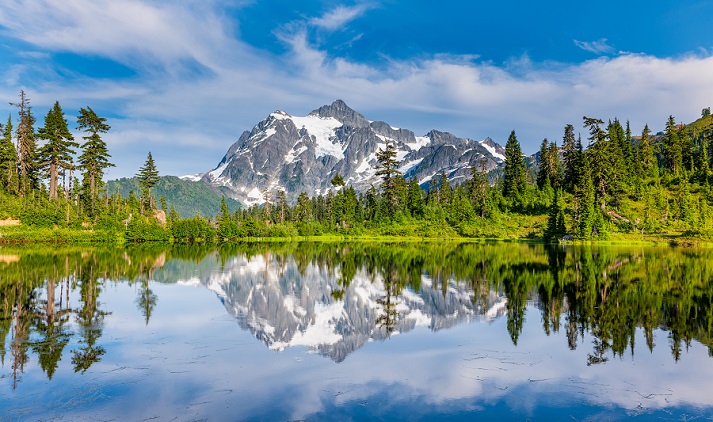
In the United States, natural features have always played a huge role in where people live and how cities grow.
Early settlers chose places with fertile soil, fresh water, and easy transportation routes like rivers and harbors.
Human Features: What People Create
Human features are everything that people build or shape over time.
Here are some examples.
Buildings and cities (like the skyline of New York City)
Roads and bridges
Neighborhoods with different cultures, languages, and traditions
Monuments, parks, and stadiums
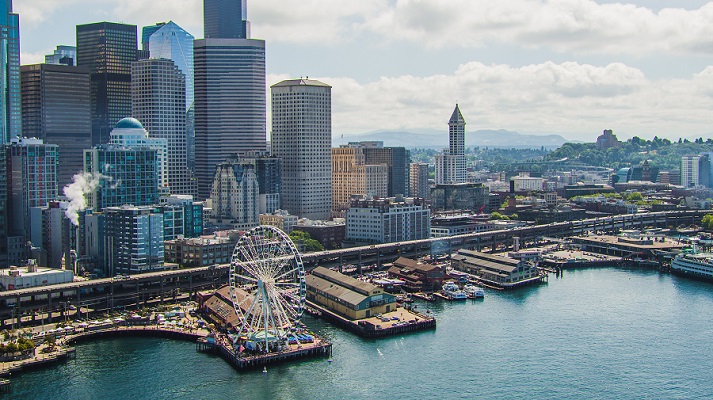
Places grow and change as people move in, build communities, and leave their mark.
Some cities are famous for their industries—like Seattle with tech companies—or for their cultural scenes, like New Orleans with its jazz music and festivals.
Looking at Place: Why It Matters
Studying place helps us understand the following.
Why do cities develop where they do?
Why do people move or stay?
How do history and geography connect?
What makes regions of the world feel so different?
For example, look at the 2000 U.S. Census ancestry map below. You can see patterns of where people with different heritages settled.
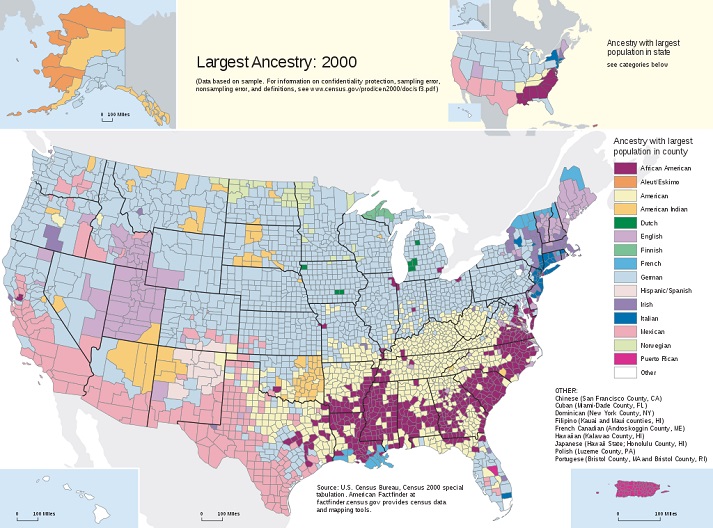
These patterns help shape the languages spoken, foods eaten, and traditions celebrated in each place.
Places aren't frozen in time. They keep changing as new people arrive, businesses grow, and communities evolve.
Seattle: A Case Study in Place
Head back to Seattle for a minute.
Natural Features: Surrounded by Puget Sound, Lake Washington, and evergreen forests. Near the Cascade Mountains.
Human Features: Home to tech giants like Microsoft and Amazon, famous coffee culture, and vibrant arts scenes.
Climate: Mild, rainy winters and sunny summers.
Culture: A mix of outdoor adventures, innovation, and strong community identity.
These pieces come together to create the Emerald City vibe that makes Seattle a unique place.
Now that you know what makes a place truly special—natural features, human creations, and a mix of culture and history—it’s time to practice spotting these features in places you know... and maybe even dream about visiting.
Get ready to put your skills to the test in the Got It? section.

Supplies
Additional Resources


 FAVORITE
 Like
Like