Sign Up
School Account Sign Up

Lesson ID: 10359
Explore how people and the environment push, pull, and shape each other in this tug-of-war called geography!




Changing the World—and Being Changed by It
Picture this: You're standing at the edge of a wide river.
On one side, people are planting crops in rich soil. On the other, a giant dam stretches across the water, creating electricity for thousands of homes.
A family builds their house on stilts somewhere nearby to survive the flooding season.
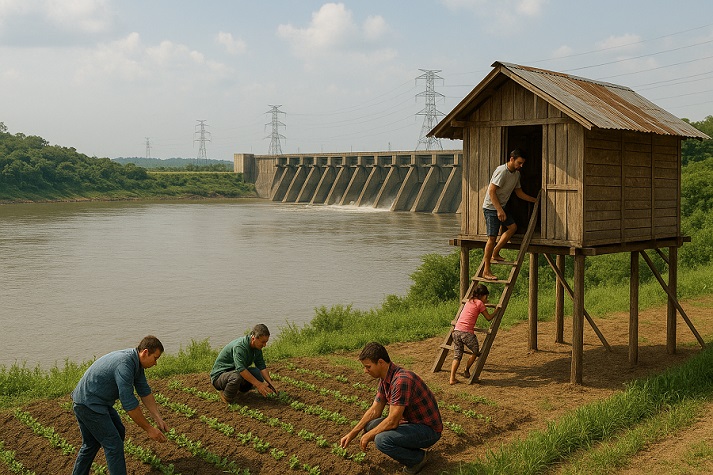
These are all examples of human-environment interaction—how people and the environment affect each other.
Whether growing food, building cities, or preparing for wild weather, humans and nature are always in a back-and-forth relationship. People's choices don't just change the environment—they come with consequences, both helpful and harmful.
Explore how powerful this relationship really is.
What Is Human-Environment Interaction?
Human-environment interaction (HEI) is one of geography's five key themes. It examines the constant interaction between humans and the natural world.
There are three major ways people interact with their environment.
Dependency: Relying on the Earth
We depend on nature for the following.
Fresh water to drink
Soil to grow food
Forests for wood and shelter
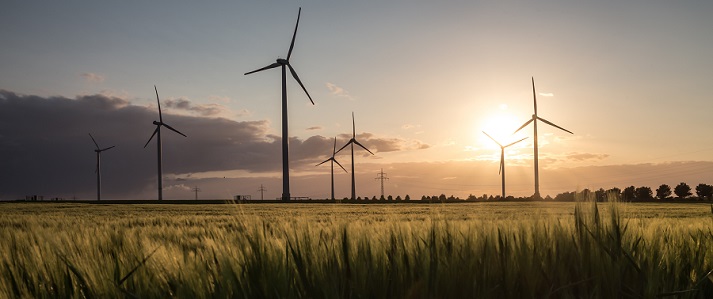
Sun and wind for energy
Whether ancient farmers depended on river floods or modern cities rely on electricity from wind farms, humans are always connected to natural resources.
Adaptation: Fitting Into the Environment
Humans adapt in creative ways.
People in hot deserts wear light, loose clothing.
In freezing places, homes are built to hold heat.
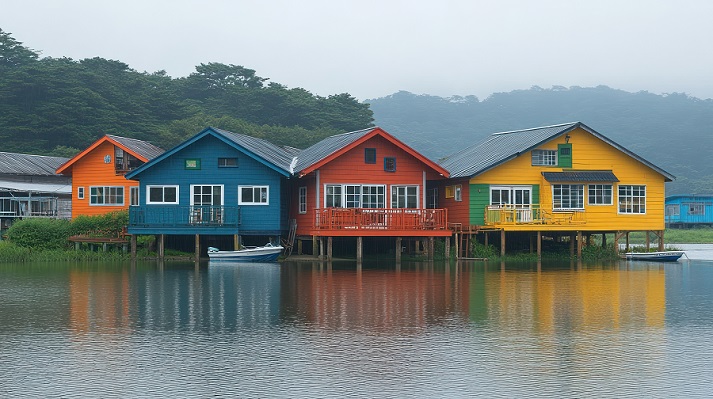
In flood-prone regions, buildings may be raised off the ground.
Some people grow drought-resistant crops in dry regions.
By changing how they live, people survive—and thrive—in almost any environment.
Modification: Changing the Environment
Humans also change nature to meet their needs.
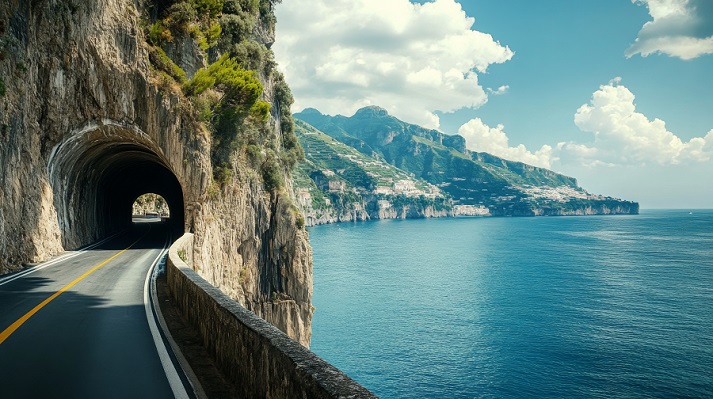
Building highways through mountains.
Draining wetlands to build cities.
Constructing dams to store water or produce electricity.
Creating farmland where forests used to be.
These changes can be helpful—but they can also cause problems. For example, building a dam may bring power to homes but also harm fish habitats or flood nearby land.
A Two-Way Relationship
The environment responds to what humans do.
Deforestation can lead to climate change or soil erosion.
Pollution can poison rivers and the air.
Cities built without planning can suffer from flooding or poor air quality.
At the same time, natural events like hurricanes, droughts, and earthquakes force people to adjust how and where they live.
The relationship goes both ways—and geographers study this constant interaction to understand how human choices affect life on the earth.
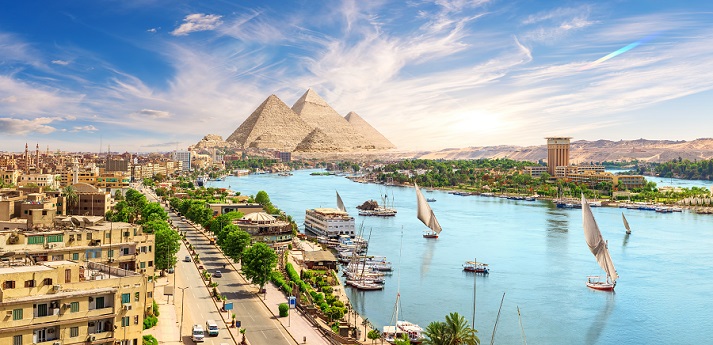
Real-World Example: The Nile River
Thousands of years ago, people depended on the Nile's yearly flooding to grow crops.
At first, they adapted by building homes above flood zones. Eventually, they modified the river by building canals—and even modern dams—to control the water more precisely.
This one river helped shape an entire civilization. And in return, people shaped the river.
Now that you understand how people depend on, adapt to, and change their environment, it's time to put your knowledge to the test.
Head to the Got It? section to explore real-life examples and get hands-on with how human-environment interaction shows up in the world around you.

Supplies
Additional Resources


 FAVORITE
 Like
Like