Sign Up
School Account Sign Up

Lesson ID: 10189
Discover how juries shape justice. Learn where jury trials came from, how they work today, and step into the role of a juror through hands-on projects.




The Power of an Ordinary Citizen
Imagine being called to make a decision that could change someone’s life. A person’s freedom, reputation, or money could depend on what you decide.
You do not need to be a lawyer or a judge. You only need to be an ordinary citizen.
That responsibility is called jury duty.
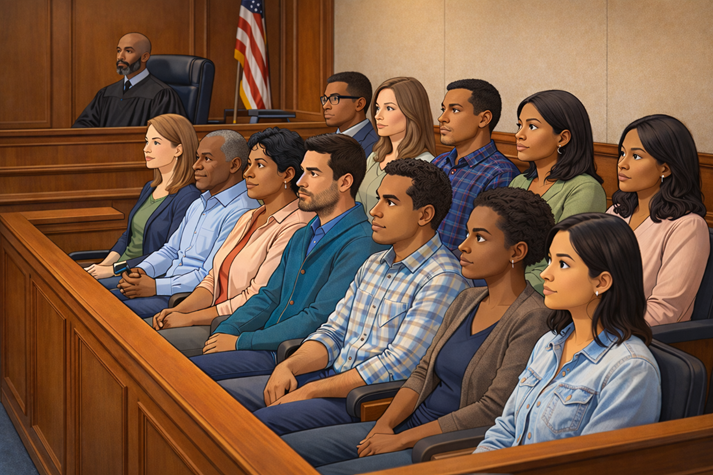
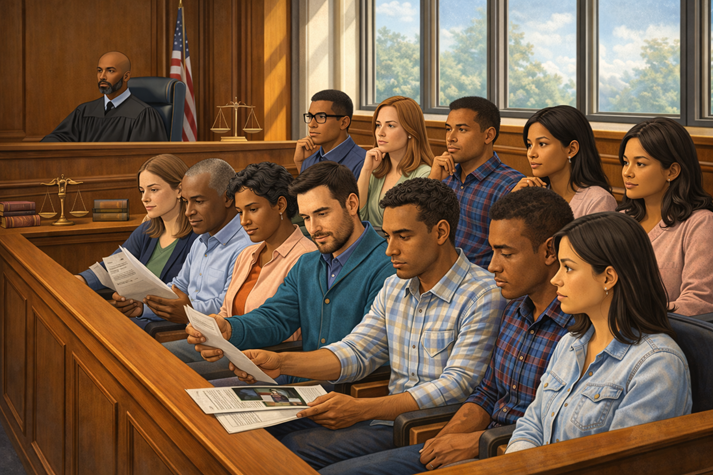
In the United States, everyday citizens sometimes serve on a jury. A jury is a group of people who listen to evidence in a trial and decide what they believe happened.
Their decision helps determine the outcome of the case. This system gives ordinary people a direct role in the justice system.
Serving on a jury is considered both a right and a civic responsibility. Courts rely on citizens to help make fair decisions about real disputes and criminal cases.
But where did this idea come from? And why do many countries believe juries are important?
The Long History of Trial by Jury
The idea of a jury has deep historical roots. Hundreds of years ago, rulers often had complete control over the law. If a king or leader accused someone of a crime, that person could be punished without a fair hearing.
In 1215, a major change happened in England. A group of nobles forced King John to agree to a document called the Magna Carta, which means “Great Charter.”
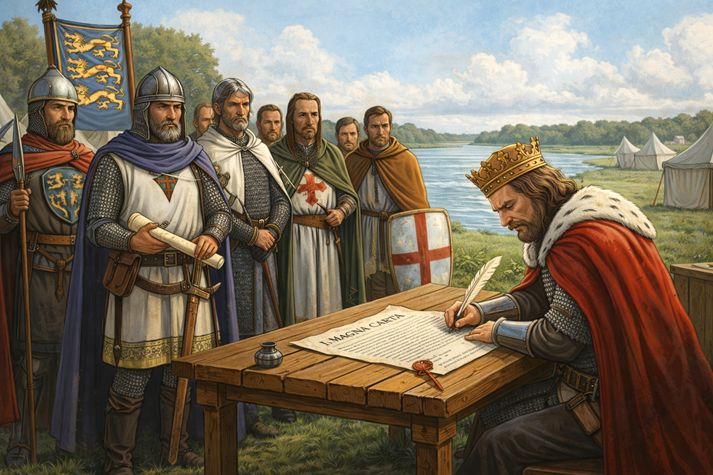
One of its most important ideas was that the king could not punish someone without following the law.
The Magna Carta stated that a free person could not be imprisoned or punished unless judged according to the law and by a group of peers. Peers meant people from the same community.
This idea became the foundation for trial by jury.
Over time, the jury system continued to develop. Early English systems sometimes used groups of local citizens to investigate crimes. Eventually, juries began listening to evidence during trials and deciding whether someone was guilty or not.
However, fair trials were not always guaranteed. At times, powerful leaders tried to control the legal system.
One example was the Court of Star Chamber in England. This secret court could punish people without the protections of a normal jury trial. Critics believed it allowed rulers to silence people who disagreed with them.
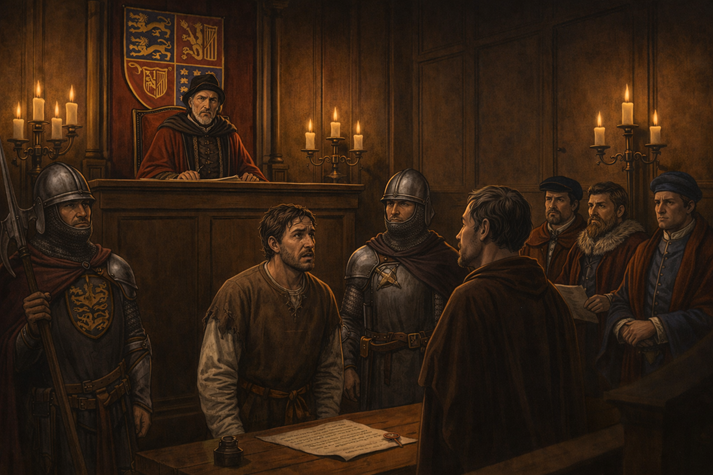
Because of experiences like this, many people began to believe that juries were an important protection against unfair power.
How Jury Trials Became Part of American Law
When the United States formed its government in the late 1700s, the leaders who wrote the Constitution had seen examples of unfair trials in the past. They believed that citizens should have protections against government power.
As a result, the right to trial by jury became part of American law.
Several parts of the Bill of Rights protect this idea:
The Fifth Amendment protects the right to due process. This means the government must follow fair procedures before taking away someone’s life, liberty, or property.
The Sixth Amendment guarantees the right to a speedy and public trial in criminal cases and the right to an impartial jury.
The Seventh Amendment protects the right to a jury trial in many civil cases, which are disputes between people or organizations.
These protections help ensure that the law applies to everyone and that no single person decides a case alone.
How Juries Work Today
Today, juries play a key role in the American justice system.
When a trial needs a jury, the court begins by creating a jury pool. This pool includes citizens randomly selected from the community. Courts usually select people from records such as voter registration lists or driver’s license lists.
From this group, attorneys and the judge question potential jurors in a process called jury selection. They ask questions to ensure jurors can listen fairly and make decisions based solely on the evidence presented in court.
Once the final jurors are chosen, the trial begins. During the trial:
After hearing everything, the jurors meet privately to discuss the case. This discussion is called deliberation. Jurors talk through the evidence and work together to reach a decision, called a verdict.
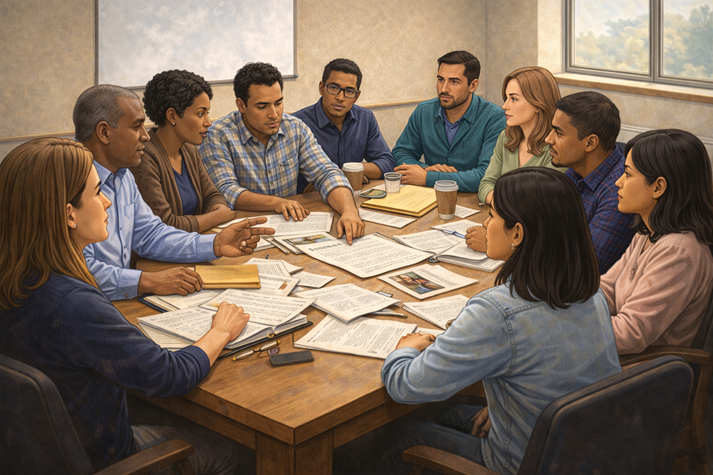
In criminal cases, the verdict usually must be unanimous, meaning all jurors agree.
Why Juries Matter
Juries help bring community judgment into the courtroom. Instead of leaving decisions only to government officials, the system allows citizens to take part in the justice process.
Because juries are made up of people from different backgrounds and experiences, they can bring many perspectives to the discussion. This helps create more balanced decisions.
The jury system has also changed over time. In the past, many people were excluded from jury service, including women and many minority groups.
Over the years, laws and court decisions expanded eligibility so juries could better represent the community. Today, courts work to create jury pools that reflect a wide range of citizens.
Although jury duty can interrupt daily schedules, many people who serve later describe it as an important way to contribute to their community.
Serving on a jury means helping uphold the rule of law—the idea that laws apply equally to everyone.
Now that you understand what jury duty is, where it came from, and why it matters, it is time to think more deeply about how juries work and why citizens play such an important role.
In the Got It? section, you will review what you learned and practice applying these ideas to real situations involving jury service.

Supplies
Suggested Reading


 FAVORITE
 Like
Like