Sign Up
School Account Sign Up

Lesson ID: 10147
Discover how citizens shape their world by learning about democracy, responsibility, and your power to make a difference!



Freedom and Responsibility: A Superhero Combo
Imagine waking up one morning to find out you’ve been given a brand-new superpower. You can influence what happens in your country! No cape required—just knowledge, kindness, and a voice that matters.
In a democracy, everyone has a bit of that power. When citizens use their voices to make choices, they help decide how their communities—and even their country—are run.
But with that power comes responsibility. Just like Spider-Man’s Uncle Ben said, “With great power comes great responsibility.”
Your responsibility? To use your freedom wisely—by learning, thinking, and participating in ways that help others and keep your community strong.
What Is Democracy?
The word democracy comes from two Greek words: demos (people) and kratos (rule or power). So, democracy means “rule by the people.”
In ancient Athens, people met in public places to debate and vote directly on laws. But not everyone was included—women, enslaved people, and non-landowners were left out.
Even though it wasn’t perfect, it was the beginning of the idea that people should have a say in their government.
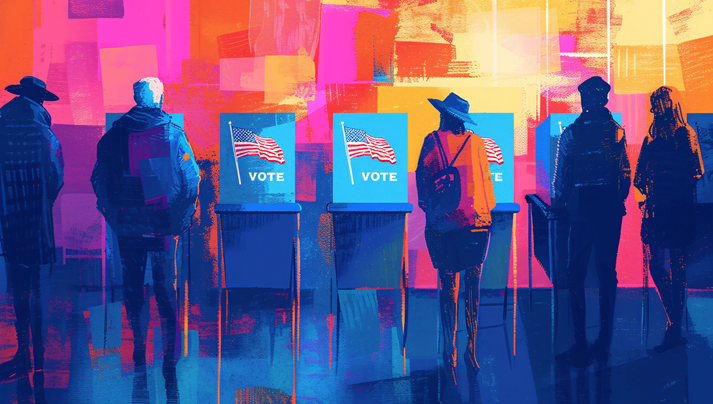
Today, most democracies, like the United States, are representative democracies. That means citizens vote for leaders who make laws and decisions on their behalf.
You may not personally raise your hand to vote on a new law, but your vote helps choose who does!
Democracy and Republic: A Powerful Partnership
Here’s the truth—it’s both! The U.S. is a representative democracy (or constitutional republic), meaning its representatives make decisions, but they must follow the Constitution—the nation’s highest law.
In the United States' democracy:
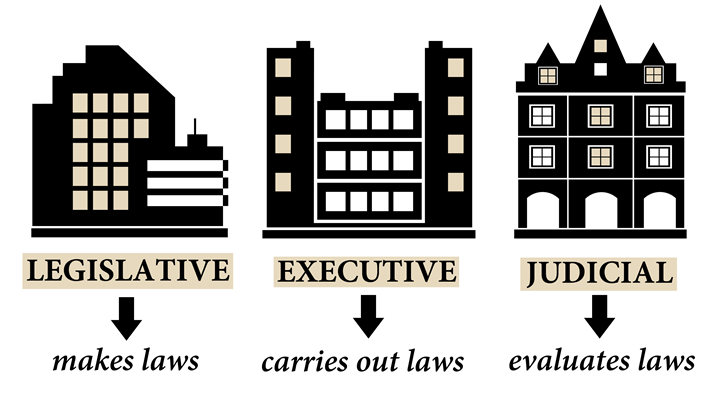
The legislative branch makes the laws.
The executive branch enforces the laws.
The judicial branch interprets the laws.
Each branch keeps the others in check so no one becomes too powerful. This system of checks and balances protects everyone’s rights and freedoms.
Different Types of Governments
Not every country is a democracy. Here’s how others compare.
Anarchy – No government at all. Everyone does whatever they want, which usually leads to chaos.
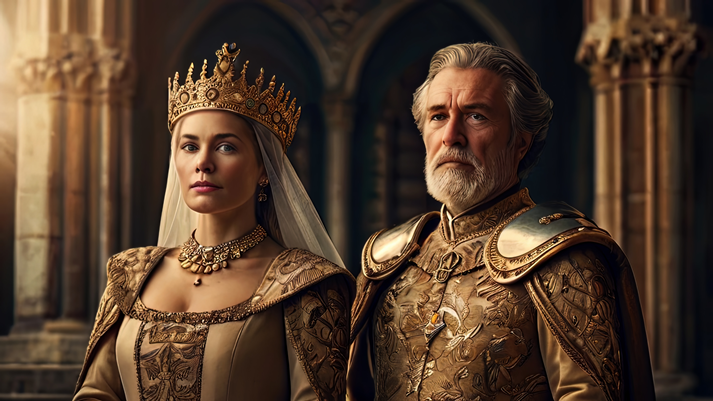
Monarchy – A king or queen rules. In some countries, they still have real power; in others, they’re just symbols.
Oligarchy – A small group of people shares power.
Theocracy – Religious leaders control the government.
Authoritarianism – One leader (like a dictator) rules through fear and control.
Compared to these, democracy provides citizens with the greatest freedom to express their ideas, make choices, and help shape their future.
Being a Responsible Citizen
Citizenship isn’t just about living in a country—it’s about caring for it.
Responsible citizens do the following.
Learn about how their government works.
Vote or prepare to vote when they’re old enough.
Respect others’ opinions—even when they disagree.
Follow laws and help make their communities better places to live.
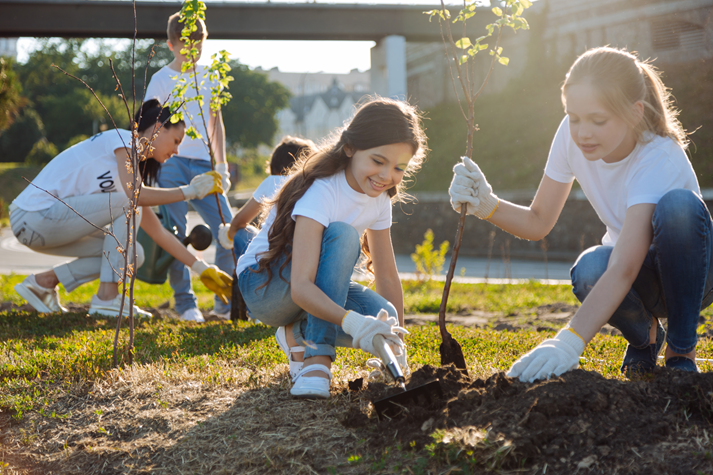
You can practice citizenship right now! Speak up kindly when you see something unfair, help keep your neighborhood clean, and listen when others share their ideas.
Each action, no matter how small, makes a difference.
Why It All Matters
A democracy only works when its citizens participate. If people stop caring, learning, or voting, the system weakens.
That’s why your voice—yes, even yours—matters. You are part of the “demos,” the people who make the rules.
Your power might not come from spider bites or magic rings, but it’s just as important. Use it to protect fairness, freedom, and the rights of others.
Ready to Use Your Power?
Now that you know what democracy is and how different governments work, it’s time to put that knowledge into action!
In the Got It? section, you’ll explore fun ways to practice being a responsible citizen and show how you can make a difference right where you are.

Supplies
Suggested Reading


 FAVORITE
 Like
Like