Sign Up
School Account Sign Up

Lesson ID: 10047
Use adjectives to describe dogs, apples, flowers, cakes, and more. Make nouns clearer, brighter, and way more fun!




Meet the Describing Words
Look at this sentence.
I see a dog.
That sentence is fine, but it does not tell much.
Now read this sentence.
I see a small, fluffy dog.
That sentence gives you a better picture in your mind.
It is small.
It is fluffy.
The words small and fluffy describe the dog.

Adjectives Add Details
Words that describe nouns are called adjectives.
A noun names a person, place, thing, or animal.
An adjective tells more about a noun.
Adjectives can tell:
what color something is
what size something is
what shape something is
how something feels
how something tastes
how something sounds
how something smells
what kind something is
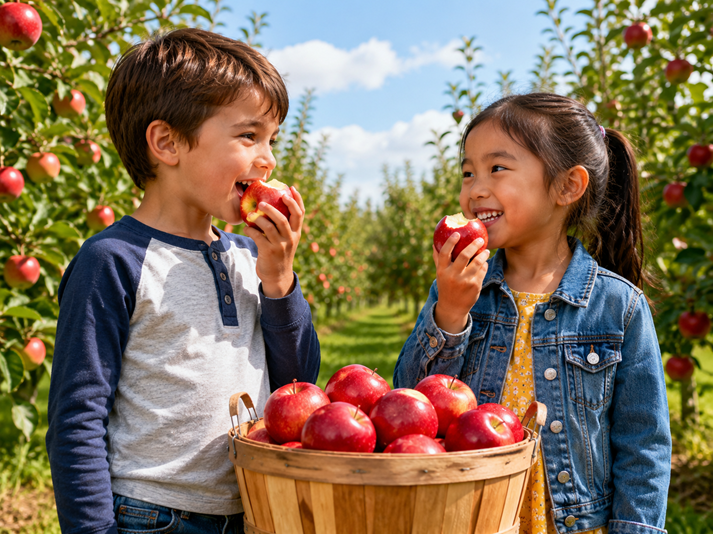
Look at an apple.
You could call it an apple.
That names the thing.
Now add adjectives.
red apple
round apple
shiny apple
crunchy apple
sweet apple
These adjectives help you picture the apple. They also help you know more about it.
Try another one.
A flower can be:
yellow
tiny
soft
pretty
fresh
You can say:
The tiny flower grew in the grass.
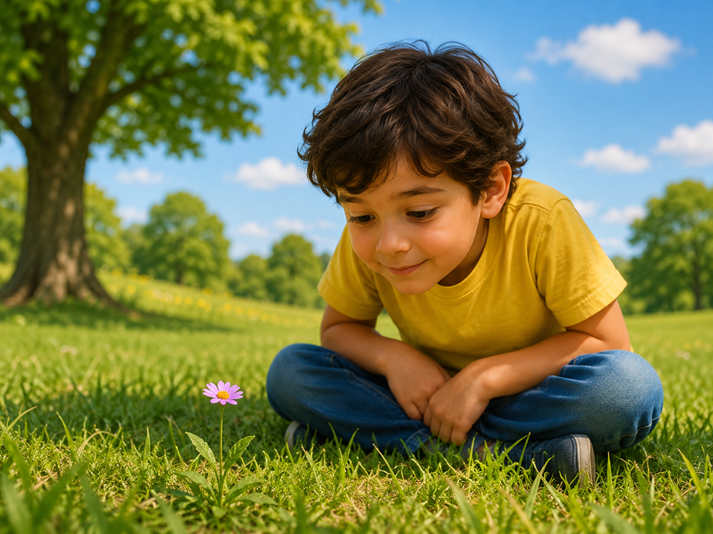
The adjective tiny tells more about the flower.
Adjectives make your sentences clearer and more fun to read. Without adjectives, sentences can feel a little plain. Like toast with nothing on it. Still toast, but not very exciting.
Use Your Senses
You can use your five senses to think of adjectives.
You can describe what you see.
The ball is blue.
The kitten is little.
You can describe what you feel.
The blanket is soft.
The rock is rough.
You can describe what you hear.
The drum is loud.
The mouse is quiet.
You can describe what you smell.
The cookie smells sweet.
The trash smells stinky.
You can describe what you taste.
The lemon is sour.
The soup is warm.
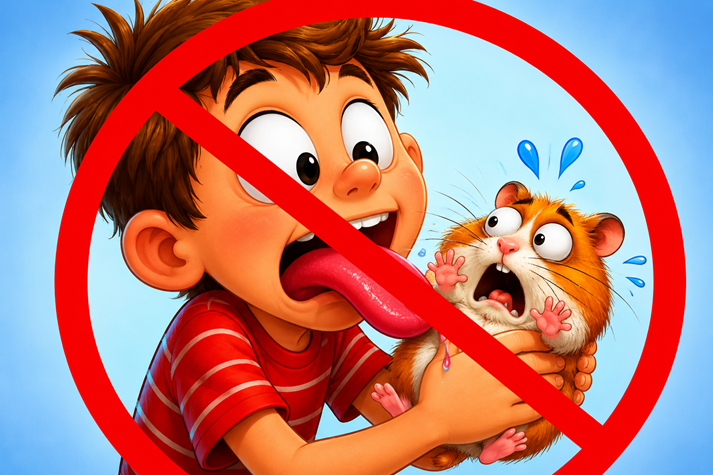
Be careful! Some things should not be tasted. You can describe a pencil, a shoe, or a hamster without licking it. Please let the hamster live in peace.
Adjectives Before Nouns
Many adjectives come right before the noun they describe.
Read these examples.
The red bird sang.
The big truck stopped.
The soft pillow fell.
The silly puppy jumped.
The adjectives are red, big, soft, and silly.
They tell more about the nouns.
Red tells about the bird.
Big tells about the truck.
Soft tells about the pillow.
Silly tells about the puppy.
Now read this sentence.
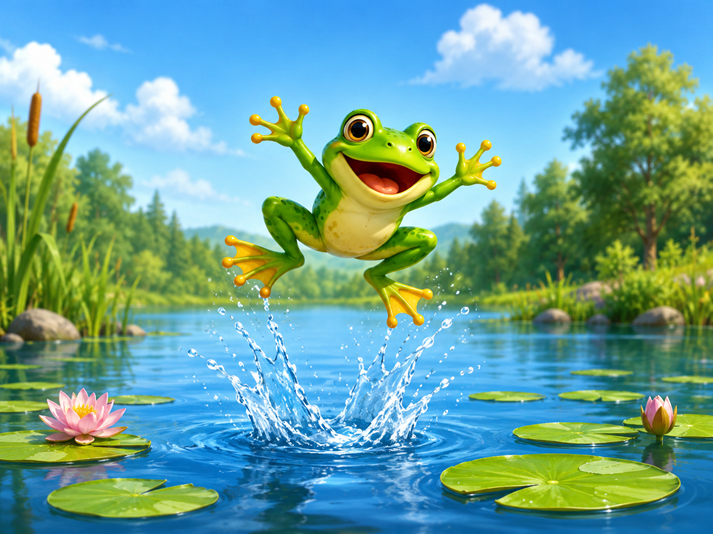
The frog jumped.
That sentence has no adjective.
Now add one.
The green frog jumped.
Green tells more about the frog. Now you can picture it better.
Add More Than One Adjective
You can use more than one adjective to describe a noun.
The cat slept.
Now add adjectives.
The sleepy gray cat slept.
Sleepy and gray both describe the cat.
Try this one.
The cake was on the plate.
Now add adjectives.
The small chocolate cake was on the plate.
Small and chocolate both describe the cake.
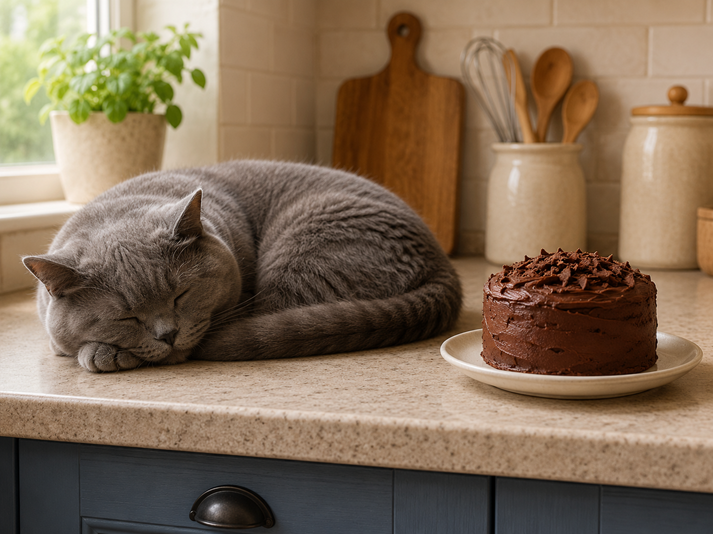
Adjectives help readers see, hear, feel, smell, or taste what you mean.
Now you know that adjectives are describing words.
They tell more about nouns.
Keep reading to practice using adjectives in the Got It? section.

Supplies






 FAVORITE
 Like
Like